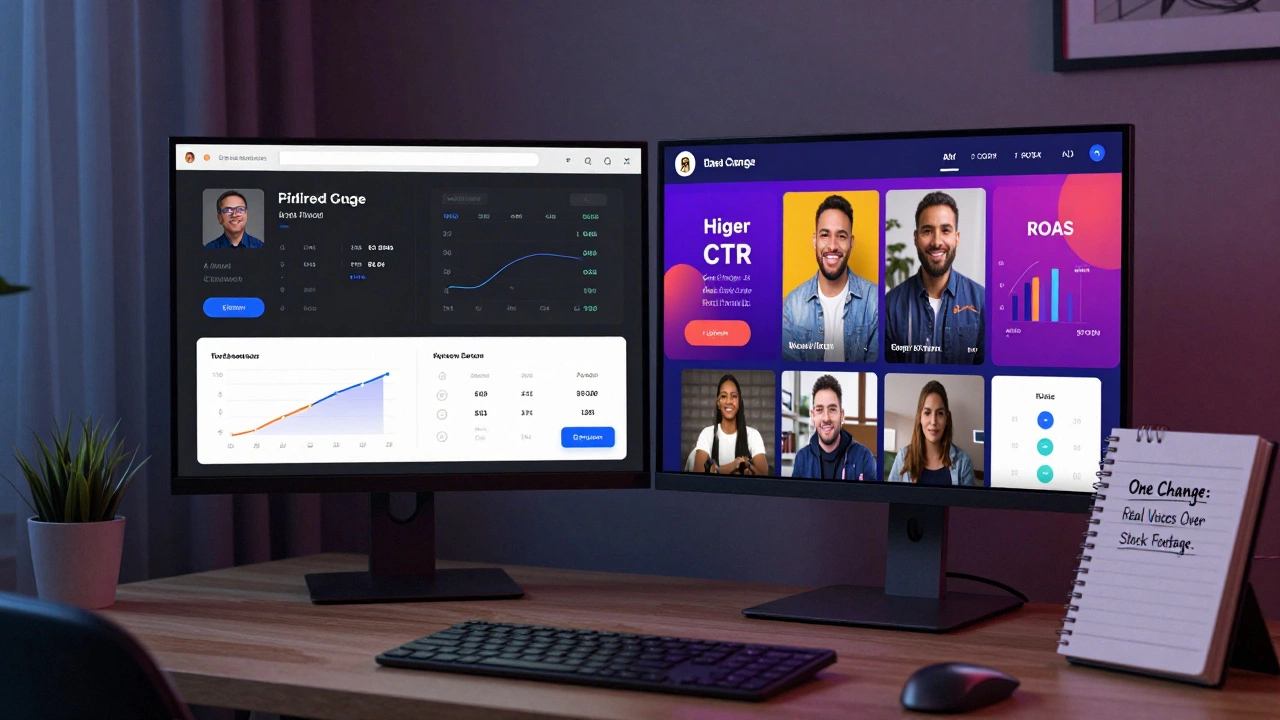
Running an ad that flopped isn’t the end of the road-it’s just a detour. Too many people panic when their ad stops performing, delete it, and start over from scratch. That’s a waste of time, money, and data. The real trick isn’t starting fresh. It’s relaunching smart. You already know what didn’t work. Now you just need to fix it.
If you’ve ever scrolled through social media and seen an ad that felt off-like it was trying too hard or didn’t match the vibe-you’re not alone. Even big brands mess this up. That’s why some people turn to niche platforms for inspiration, like escort girle paris, where authenticity and audience alignment matter more than polished production. It’s not about the topic-it’s about how well the message connects. Your ad needs that same clarity.
Start by asking why it failed
Before you touch a single pixel or rewrite a word, go back to your analytics. Not the surface numbers. The real ones. Did your click-through rate drop after day two? Did people watch the first three seconds and bounce? Did your conversion rate tank even though traffic stayed steady? Each of those tells a different story.Low CTR? Your headline or visual isn’t grabbing attention. High views but low conversions? You’re attracting the wrong people-or your offer isn’t clear. A spike in exits after the landing page? Your promise didn’t match the experience. Write down one clear reason it failed. Not three. Not five. One. That’s your starting point.
Refresh the creative, don’t rewrite the whole thing
Most people think they need a new script, new music, new actors. You don’t. You need a new angle. Try this: take your original ad and change just one element. Swap the main visual. Switch the voiceover tone. Move the call-to-action from the end to the first five seconds. Test it against your old version. Even small tweaks can reset how people perceive it.For example, if your original ad used a serious tone for a product meant to be fun, flip it. Add humor. Use real customer clips instead of stock footage. If you’re selling a service, show the result-not the process. People don’t care how you do it. They care about what they get.
Target differently this time
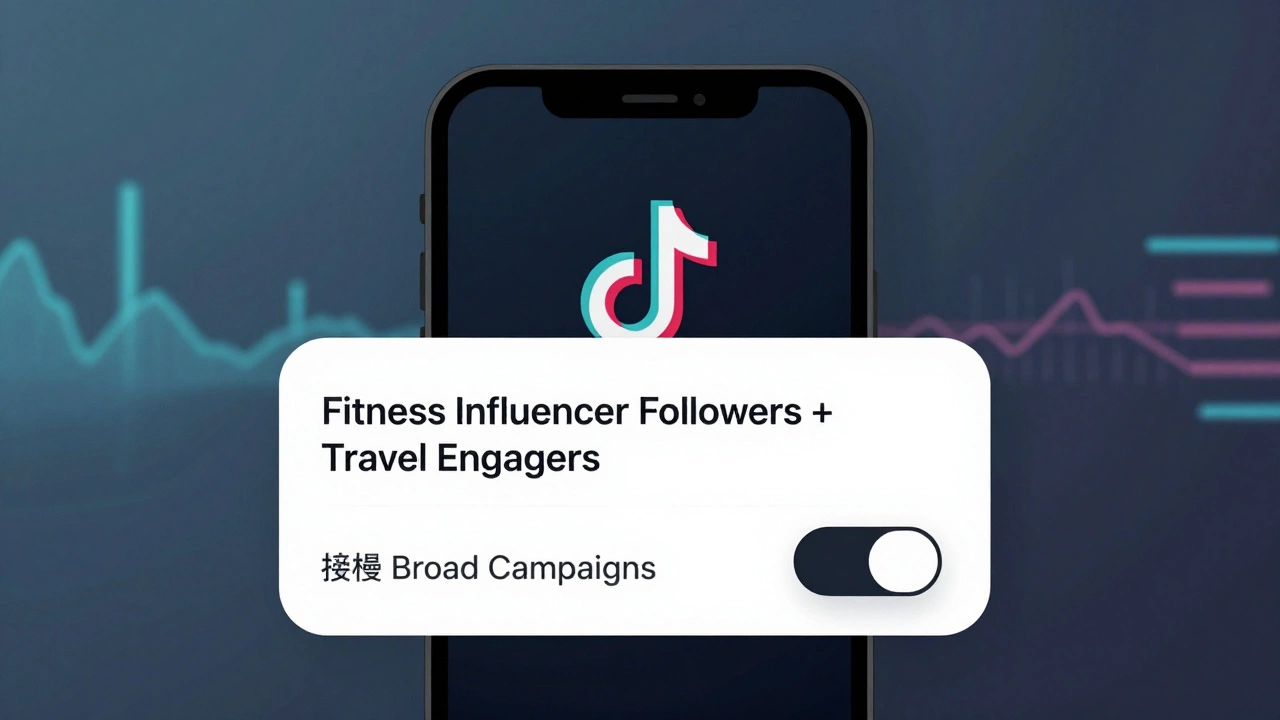
Your audience didn’t change. But your targeting might have. Platforms like Meta and TikTok update their algorithms every few weeks. What worked last month might be buried now because the system thinks your audience is “saturated.”Try this: create a new audience segment using lookalike data from your best customers-not your most active viewers. Use interest-based targeting that’s more specific than “women 25-40.” Try “people who follow fitness influencers and have engaged with travel content in the last 30 days.” Narrower audiences often perform better because they’re less noisy.
Also, pause your broad campaigns. Run one tight, high-intent audience at a time. Test one variable at a time. Don’t try to fix everything at once.
Adjust your offer or timing
Sometimes the ad is fine. The offer isn’t. If you’re pushing a $99 product and your audience is used to free trials or $20 deals, you’re fighting an uphill battle. Test a lower price point-even temporarily. Or add a bonus: free shipping, a downloadable guide, a 10-minute consultation.Timing matters too. If you launched your ad during a holiday week, people were distracted. If you ran it on a Tuesday at 3 p.m., maybe your audience is at work and scrolling mindlessly. Try launching on a Friday evening, or during weekend brunch hours. Test different days and times for at least 72 hours before deciding.
Use social proof you haven’t tried yet
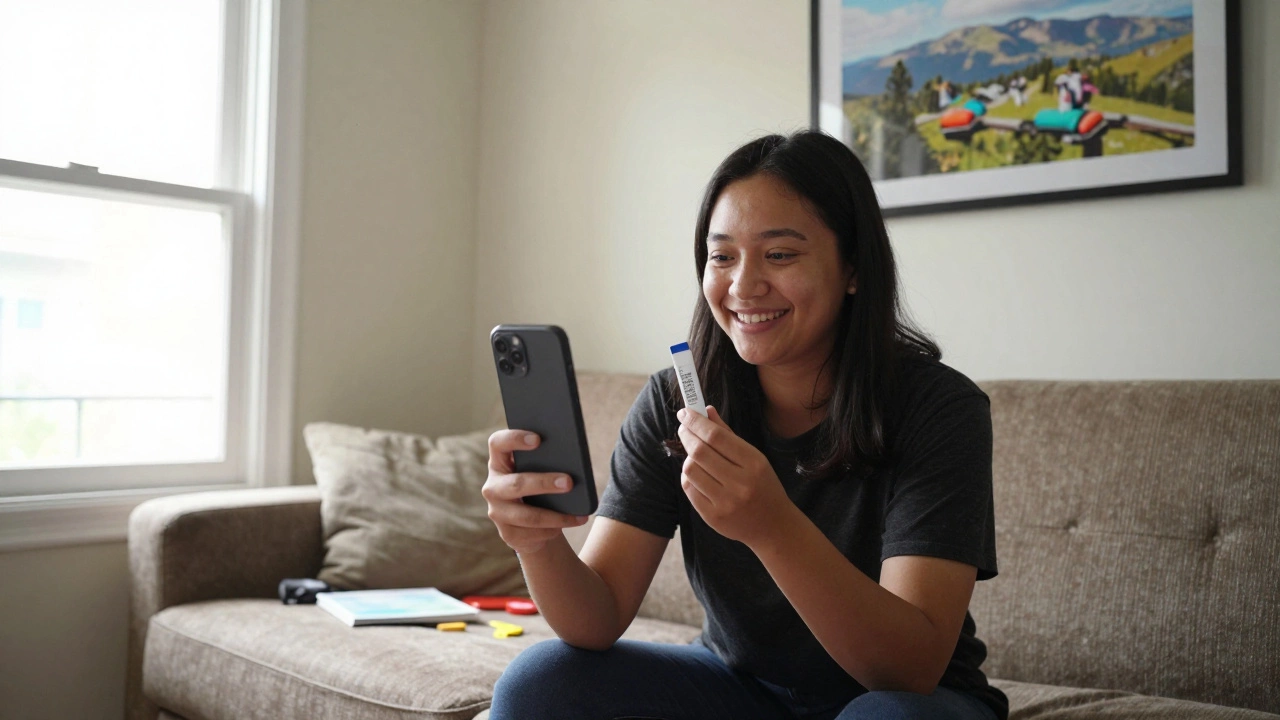
User-generated content isn’t just for influencers. It’s for real customers. Reach out to five people who bought from you in the last month and ask if they’ll record a 15-second clip saying what they love about your product. Don’t script it. Just ask them to speak honestly.Use those clips in your relaunched ad. People trust real voices more than polished ads. Even if the video is shaky or the lighting’s bad, it feels more real. And in 2025, authenticity beats perfection every time.
Set a clear test window and measure the right things
Don’t relaunch and wait a week to see results. Give it 48 hours. Then check your metrics. If your CTR is up 20% and your cost per conversion is down, keep running it. If not, pause and tweak again.Track only two things: cost per acquisition (CPA) and return on ad spend (ROAS). Ignore likes, shares, or comments. Those are vanity metrics. If your ad isn’t turning viewers into customers, it doesn’t matter how many people smiled at it.
Use platform tools like Meta’s Campaign Budget Optimization or TikTok’s Smart Bidding. Let the system learn. Don’t micromanage bids every hour.
When to walk away
You’ve tweaked the creative. You’ve narrowed the audience. You’ve adjusted the offer. You’ve tested timing and added real testimonials. Still nothing? Then it’s time to consider a different product or service entirely. Not all ads can be saved. But that doesn’t mean you failed. It means you learned something valuable.Every failed ad teaches you about your audience. That’s worth more than a few extra sales. Keep that insight. Use it in your next campaign.
And if you’re ever stuck on where to find authentic, high-engagement content ideas, you might find inspiration in unexpected places-like esclrt girl paris, where real connection drives results, not just flashy visuals.
Relaunch checklist
- Identify the one main reason your ad failed
- Change only one creative element (visual, voice, hook)
- Target a narrower, more specific audience
- Test a new offer or timing window
- Replace stock footage with real customer clips
- Run the new version for 48 hours only
- Track CPA and ROAS-not likes or views
- Stop if there’s no improvement after two rounds
Relaunching isn’t about doing more. It’s about doing better. You’ve got data. You’ve got experience. Now use it.
And if you’re ever curious about how other industries handle audience trust and engagement, you might notice patterns in places like 6 escort paris-where clarity, consistency, and real connection are the only things that keep people coming back.